
 Watch the Video
 Listen to the Podcast
Torture -the use of violence to elicit information or punish individuals - is a practice that dates back to the Greeks and Romans. By the 20th century, torture was considered by many to be abolished and morally reprehensible.
However, after the September 11 attacks, President Bush's administration began utilizing waterboarding and other methods of torture - often characterized as "enhanced interrogation techniques" - as means to confront the war on terror. While initially met with acceptance, public support for torture began declining in 2005 and, in 2009, President Obama canceled the practice via Executive Order on his second day in office. The Senate followed suit in 2015.
Days after Donald J. Trump took office, he declared that waterboarding "absolutely works" and encouraged its practice. It begs the question: Why would President Trump and the people to whom he appeals want to resurrect the waterboard? How do we understand the afterlives of America's global history with torture?
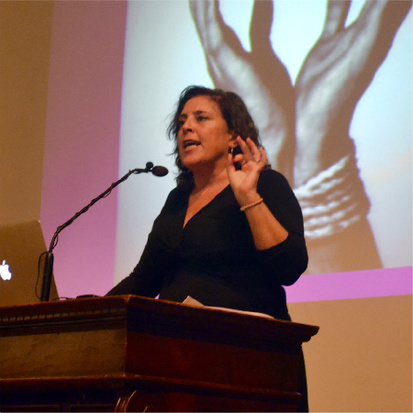
Join us, the Cleveland Council on World Affairs, Global Cleveland, International Partners in Mission, and the Northeast Ohio Consortium for Middle Eastern Studies (NOCMES) as WCPN host/producer Tony Ganzer talks with Lisa Hajjar, Ph.D., Professor of Sociology at the University of California - Santa Barbara, on the history of torture and how its ramifications affect our politics, both nationally and globally.